By Martin J. Sherwin and Kai Birdeus

“Now I am become Death, the destroyer of worlds”
Theoretical Physicist, Professor, Director, husband, friend, brother, son, good girl-Dad, questionable boy-Dad, security-risk, adulterer, leader… genius.
Firstly, I have to appreciate the amount of research that went into writing this book is incredibly impressive, admirable even. However, despite reading all 599 words, I feel like I still don’t know who the real Oppenheimer is.
For me, this book was more about the political landscape of the time, and Oppenheimer, is in some ways like a character in a Greek Tragedy that’s been placed in almost all the right places at all, the either right, or not so right times – for the purposes of the plot i.e. the political landscape of the West, pre and post-World War 2.
Don’t get me wrong. The man was a literal genius. For example he taught himself Dutch in 6 weeks to deliver an entire lecture on physics in the language. The sense that I got about Oppenheimer as a person was that he, despite being hailed as the ‘Father of the Atomic Bomb’ or the ‘American Prometheus’, is that he didn’t quite feel becoming of either of those titles.
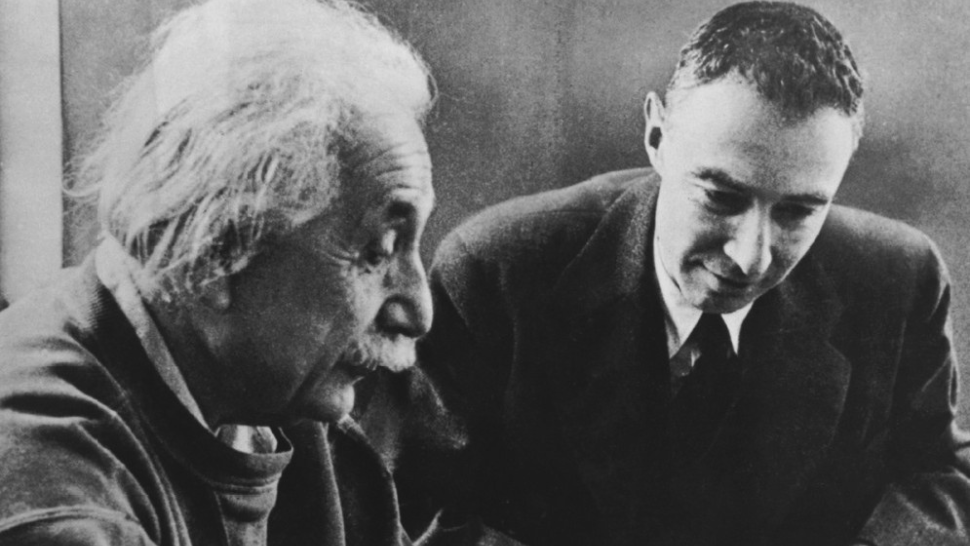
The reason why I decided to buy and read this book was because of the film. I’ve sat in hours and hours of secondary school classes about the second World War and I guess outside of knowing the names of a few leaders and awful figures, I didn’t know about the many names involved – including, and especially Oppenheimer. These individuals contributed to one the biggest things to ever happen on this planet – the building, the use and the catastrophic results of the atomic bomb, as well as the political world thereafter.
One thing that is certain, and that comes across tremendously throughout and especially after watching the film adaptation, is that this book reaffirmed that Lewis Straws was the biggest hater known to man. His name should be included under the word, ‘Hater’ in the dictionary, because the man was evidently obsessed! I can 100 percent imagine Straws repeating something like the below each night before he went to bed:
If J Robert Oppenheimer has a million haters, I am one of them. If he has 10 haters, then I am one of them. If he has one hater, it is me. If he has zero haters, that is because I am dead.
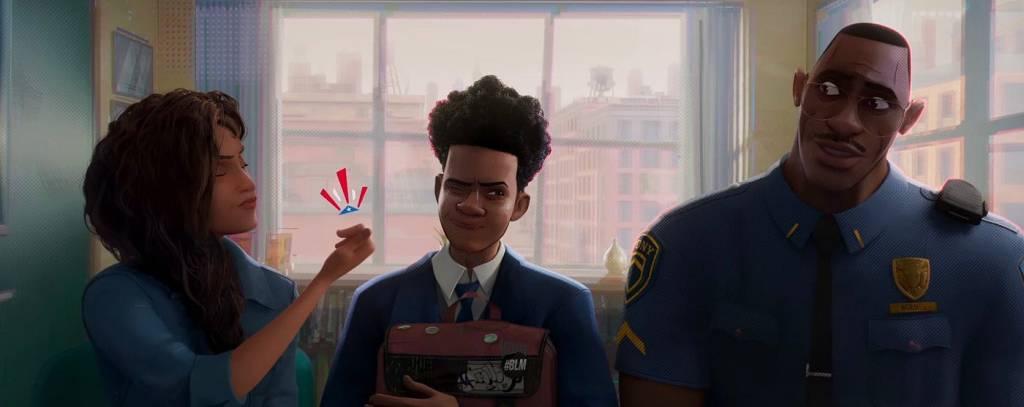
On a lighter note, despite not knowing anything about Oppenheimer before watching the film in 2023. After finishing this book, I was able to truly understand the impact that Oppenheimer continues to have on culture today.
For example, there is a scene in Spider-Man Across the Spider-Verse where Miles Morales is talking about which University he wants to go to, he says Princeton because it’s the best school in the country for physics. This now makes sense because Oppenheimer was a director at the University, heading programmes in Physics. Dr Manhattan (Watchmen) gives himself the name as a reference to the Manhattan Project (the program that developed the first atomic weapons). There’s even an inferred mention to Oppenheimer in Nolan’ last film, Tenet. Not to mention all the references I missed when I used to watch The Big Bang Theory.
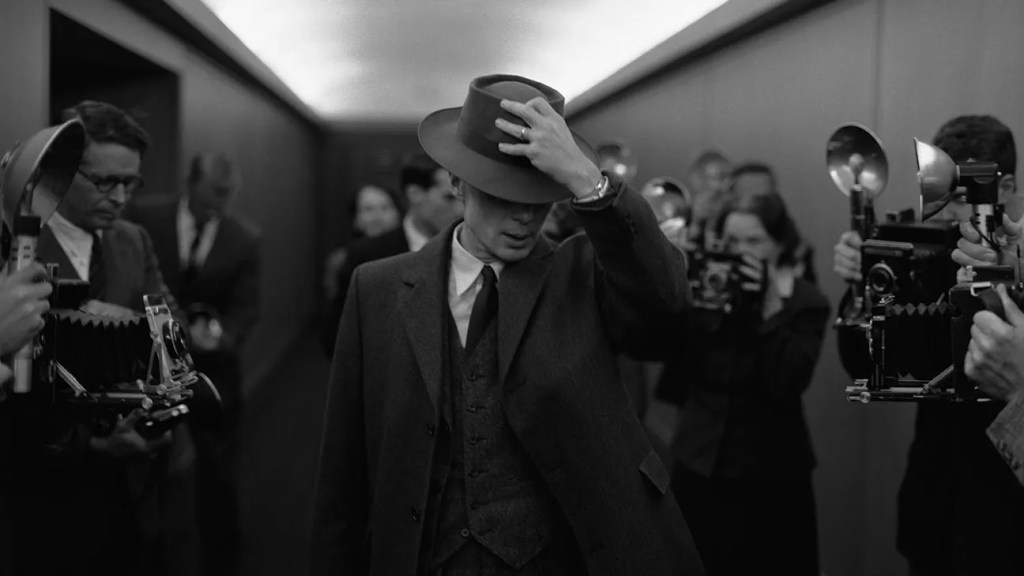
If you do decide to read this book, I would also highly recommend watching the film first. It really helped with remembering the dozens of names mentioned, as well as how they were connected to Oppenheimer. For me, although the film was based on the book, reading this biography felt like I was watching the bonus features of a DVD (which I love doing)!
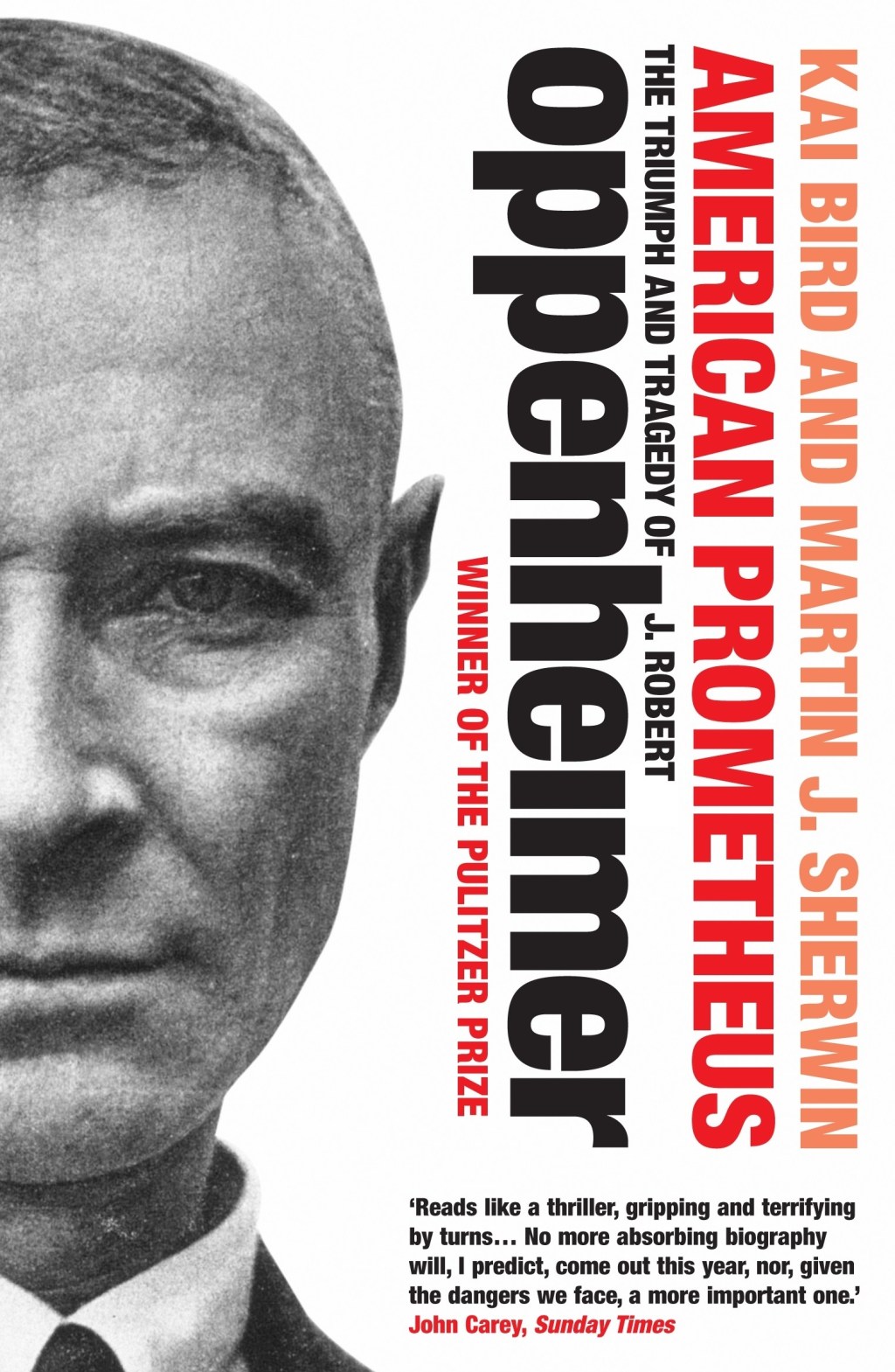
Overall, American Prometheus: The Triumph and Tragedy of J. Robert Oppenheimer is an ambitious and impressive biography that still has me questioning who the real Oppenheimer was.
★★★.5
 THE-RAVE
Leave a comment